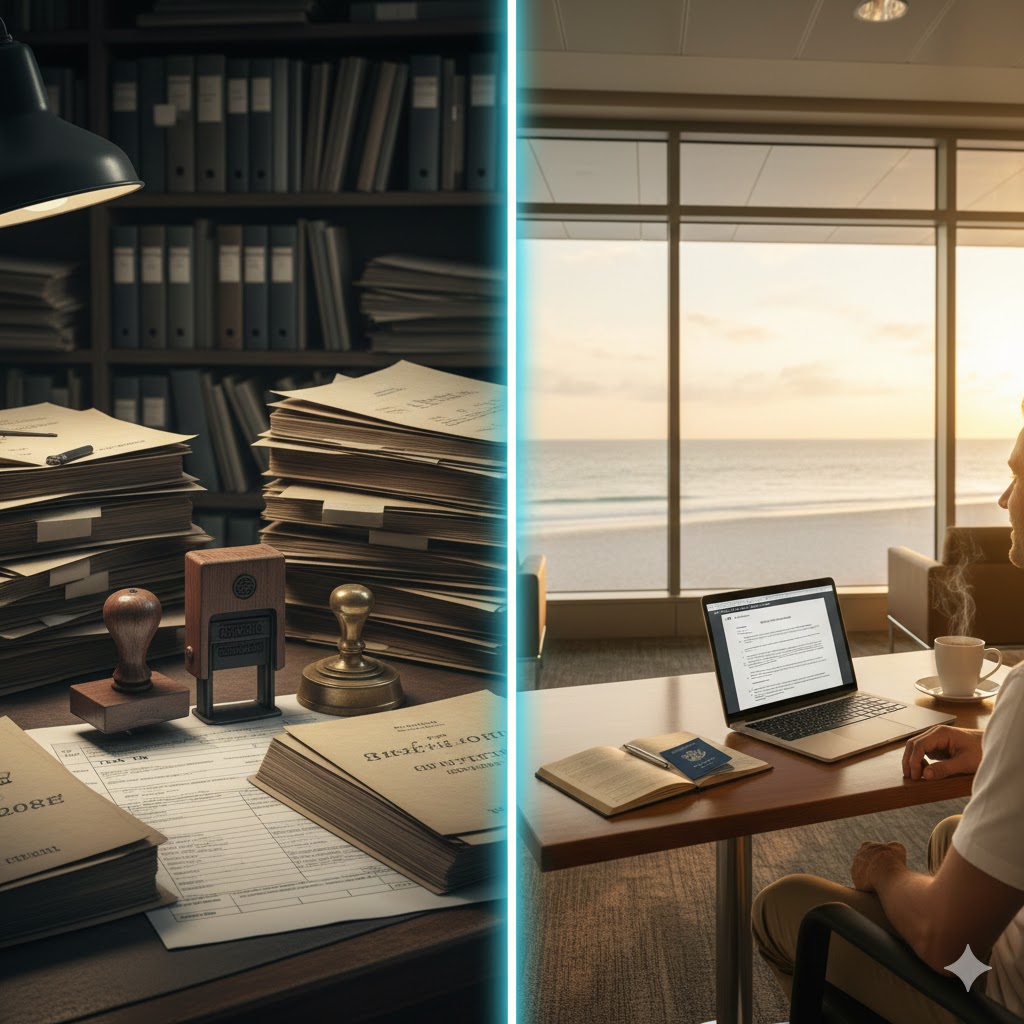
For the Urban Nomad, the pillow you rest on is as critical as the laptop you work on. Sleep is the “System Maintenance” phase where your brain flushes out metabolic waste and solidifies the insights from your Deep Space Work (#01). However, nomadic life is full of “Sleep Saboteurs”: jet lag, urban light pollution, and the unpredictable noise of a new neighborhood. To maintain peak cognitive performance, you must carry a Mobile Sleep Environment—a modular kit that allows you to force-reset your circadian rhythm regardless of your geographic coordinates.
In the eighth guide of Lifestyle & Guides, we master Chronobiological Recovery.
1. Light Hygiene: The Total Blackout Protocol
Your pineal gland is a light sensor. Any stray photon from a streetlamp or a standby LED can degrade your REM cycle.
- The Gear: Use a 3D Contoured Sleep Mask that exerts zero pressure on your eyeballs while providing a 100% light seal. Combine this with Blue-Light Blocking Glasses for the two hours before sleep. This signals your brain to begin melatonin production even if the city outside your balcony is still pulsing with neon light.
2. Acoustic Isolation: The Pink Noise Buffer
Sudden sounds (sirens, neighbors, elevators) trigger the “startle response,” preventing deep sleep.
- The Strategy: Use a Portable White/Pink Noise Machine or high-fidelity silicone earplugs. Pink noise, which mimics the sound of rain or wind, creates a “sound blanket” that masks erratic urban spikes. It turns a chaotic city soundscape into a rhythmic, meditative background, allowing your nervous system to fully disarm.
3. Temperature & Tactile Consistency
The body needs a core temperature drop to initiate deep sleep.
- The Setup: Carry a Technical Travel Liner (made of silk or Merino wool). This provides a consistent tactile “home” feeling for your skin, regardless of the quality of the local linens. It also helps regulate micro-temperatures, preventing the “overheating” common in humid climates or poorly ventilated rooms.