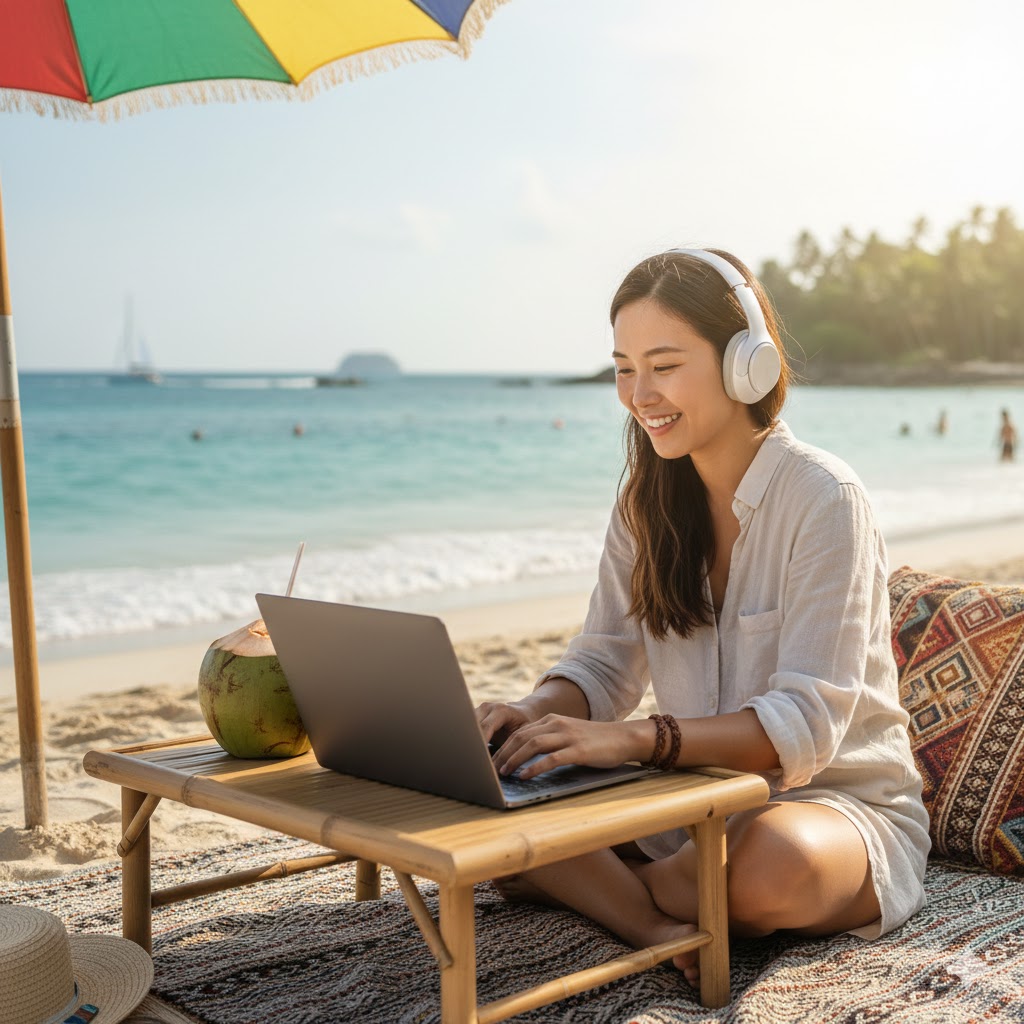
For the Urban Nomad, the goal is to be a “Global Local”—someone who can integrate into a new tribe within a week. The most common mistake is behaving like a digital tourist, consuming the local infrastructure without contributing to the social fabric. To build lasting influence and access high-signal networks (#06), you need a Strategic Reciprocity Protocol. It’s about creating a “Positive Social Deficit” where people are eager to help you because you’ve already added value to their environment.
In the eleventh guide of Lifestyle & Guides, we master Nomadic Diplomacy.
1. The “Base Gift” Inventory
Never arrive at a host’s home or a co-working partner’s office empty-handed. But a nomad doesn’t carry bulk.
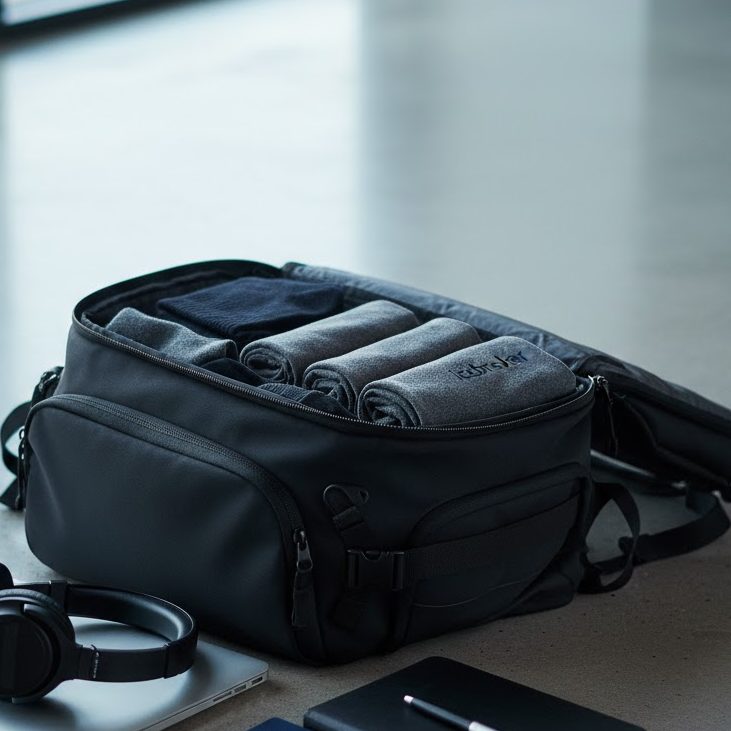
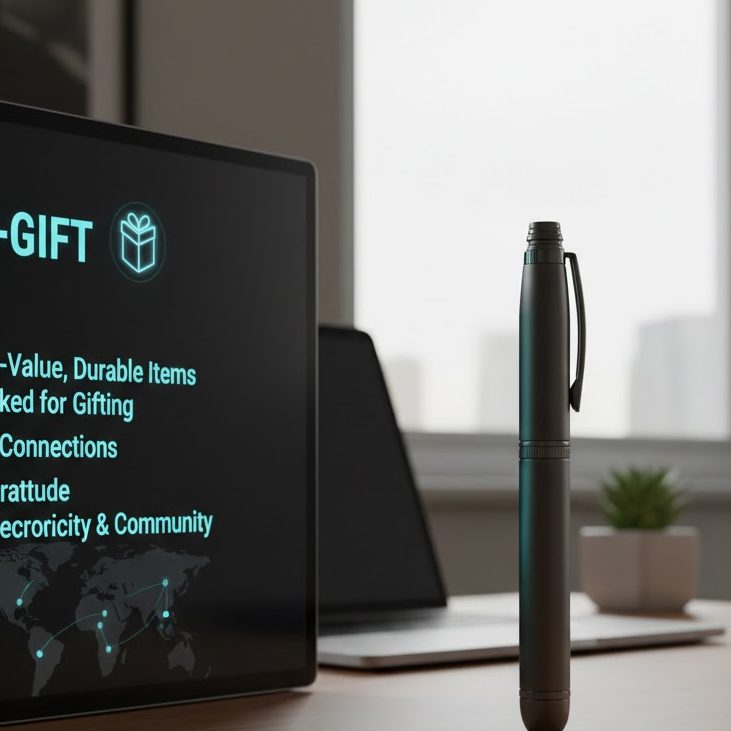
- The Strategy: Carry a “Micro-Gift Stock” in your 30L Shell (#02). These should be ultra-light, culturally neutral, yet high-perceived-value items. Think: premium local coffee beans from your previous base, high-end minimalist stationery, or specialty spices. These are “Conversation Starters” that signal you are a person of taste and global travel experience.
2. The Cultural Mirroring Protocol
Adapt your rhythm to the local “Life-Speed.”
- The Technique: Observe the “Third Space” (#04) behavior for the first 24 hours. In Tokyo, silence is respect; in Mexico City, warmth is currency. Mirroring the local volume, body language, and greeting rituals isn’t being fake—it’s “Social Calibration.” It shows you respect the local OS (Operating System) enough to learn its commands.
3. Gratitude as Infrastructure
In a transient life, a “Thank You” is your best SEO.
- The Setup: Implement the “Digital-to-Analog” Follow-up. After a meaningful connection, send a personalized digital note, but follow it up with a specific, small action—like sharing a link to a tool they needed or introducing them to a contact in your network. If you stayed at someone’s place, leave a handwritten note. In a world of fleeting Slack messages, physical gratitude has a 100% open rate.